
TEF and Annual Review of Teaching
What is Effective Teaching?
An effective teacher is one whose instructional practices reliably promote student engagement and achievement of intended outcomes. Effective teaching includes inclusive pedagogy that considers all students’ backgrounds, experiences and learning variabilities; curricular alignment with course learning objectives; creation of a welcoming classroom environment; understanding and addressing student motivation; use of evidence-based teaching strategies that increase student engagement and critical thinking; and a commitment to students’ continuous improvement through timely feedback and meaningful assessment.
4-step process
Because teaching is a developmental process that takes years to hone, TILT recommends the 4-Step goal setting process for the annual review of teaching
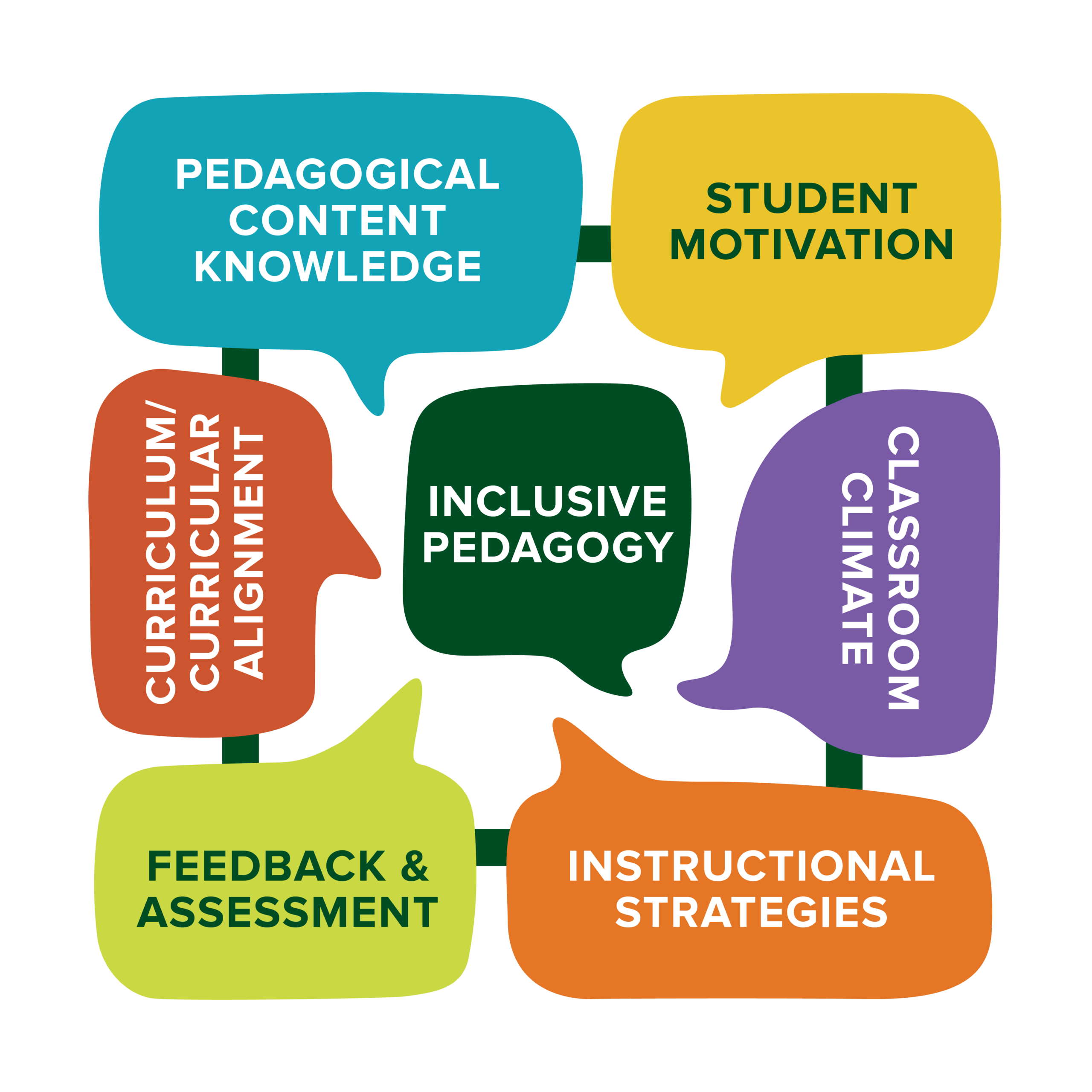
Use the TEF to Elevate the Conversation
Use the TEF to elevate the conversation about teaching in your unit. The TEF provides language to foster meaningful dialogue about teaching. Just like any discipline, teaching has its own language. The following questions can guide discussions about strengths, goals, evidence-based practices, and measuring impact of chosen teaching practices. You can use these questions during goal setting, annual review of teaching, staff meetings, or any time faculty might need support in their teaching:
Setting a Teaching Goal
- What is your teaching goal?
- Why did you choose this goal?
- How does your goal align with departmental priorities and/or disciplinary needs?
- Which domain from the Teaching Effectiveness Framework (TEF) does your goal best align with?
- Which evidence-based practices from that domain will you integrate into your teaching?
- Which domains from the Teaching Effectiveness Framework are your strengths? What goal can you set to build on your strength?
- Looking ahead, which domain from the TEF do you plan to focus on next year?
Implementing Evidence-Based Practices
- Which evidence-based practices from that domain do you use most frequently? Why?
- Which evidence-based practices from the TEF or another source did you integrate this year?
- What did your professional development look like this year?
- What evidence-based practices would you like to implement in the future? What professional development can you engage with to help you add to these practices?
Measuring Impact
- How do you assess yourself on the rubric for the TEF domain that aligns with your goal?
- What kind of growth have you seen?
- What went well this semester? Which evidence-based practices will you keep? Which will you continue to revise?
- How did students respond to the changes you made to your teaching?
- Can you tell me about the evidence you collected to demonstrate growth in your teaching?
Departmental Support
- Which domains from the Teaching Effectiveness Framework are your strengths? How can I help you build on this strength?
- How can I support your teaching efforts?
- What support do you need from your department to achieve your teaching goal?
Measuring Teaching Effectiveness
There is not one measure of teaching effectiveness that gives a complete picture of teaching or student success. This makes evaluating teaching effectiveness challenging. Therefore, the CSU Faculty manual outlines a multi-dimensional approach using multiple forms of evidence that incorporate both qualitative and quantitative measures. According to the CSU Faculty Manual:
Evaluation criteria of teaching can include, but are not limited to, quality of curriculum design; quality of instructional materials; achievement of student learning outcomes; and effectiveness at presenting information, managing class sessions, encouraging student engagement and critical thinking, and responding to student work. Evaluation of teaching shall involve multiple sources of information such as course syllabi; signed peer evaluations; examples of course improvements; development of new courses and teaching techniques; integration of service learning; appropriate course surveys of teaching; letters, electronic mail messages, and/or other forms of written comments from current and/or former students; and evidence of the use of active and/or experiential learning, student learning achievement, professional development related to teaching and learning, and assessments from conference/workshop attendees.
The Data
See below for examples of quantitative and qualitative data that demonstrate teaching effectiveness:
| Quantitative | Qualitative |
|---|---|
|
|
This collection of reflections showcase different ways you can use the TEF to report teaching effectiveness for annual review of teaching: