

Want to get involved in research at CSU? Here’s where to start
As a research-intensive university, Colorado State University offers undergraduates a wide range of opportunities to engage in research and creative work alongside dedicated mentors.
The Institute for Learning and Teaching (TILT) helps students, faculty, and staff use research-based learning and teaching methods to support academic achievement, equity, and post-graduation success for all CSU students.

As a research-intensive university, Colorado State University offers undergraduates a wide range of opportunities to engage in research and creative work alongside dedicated mentors.

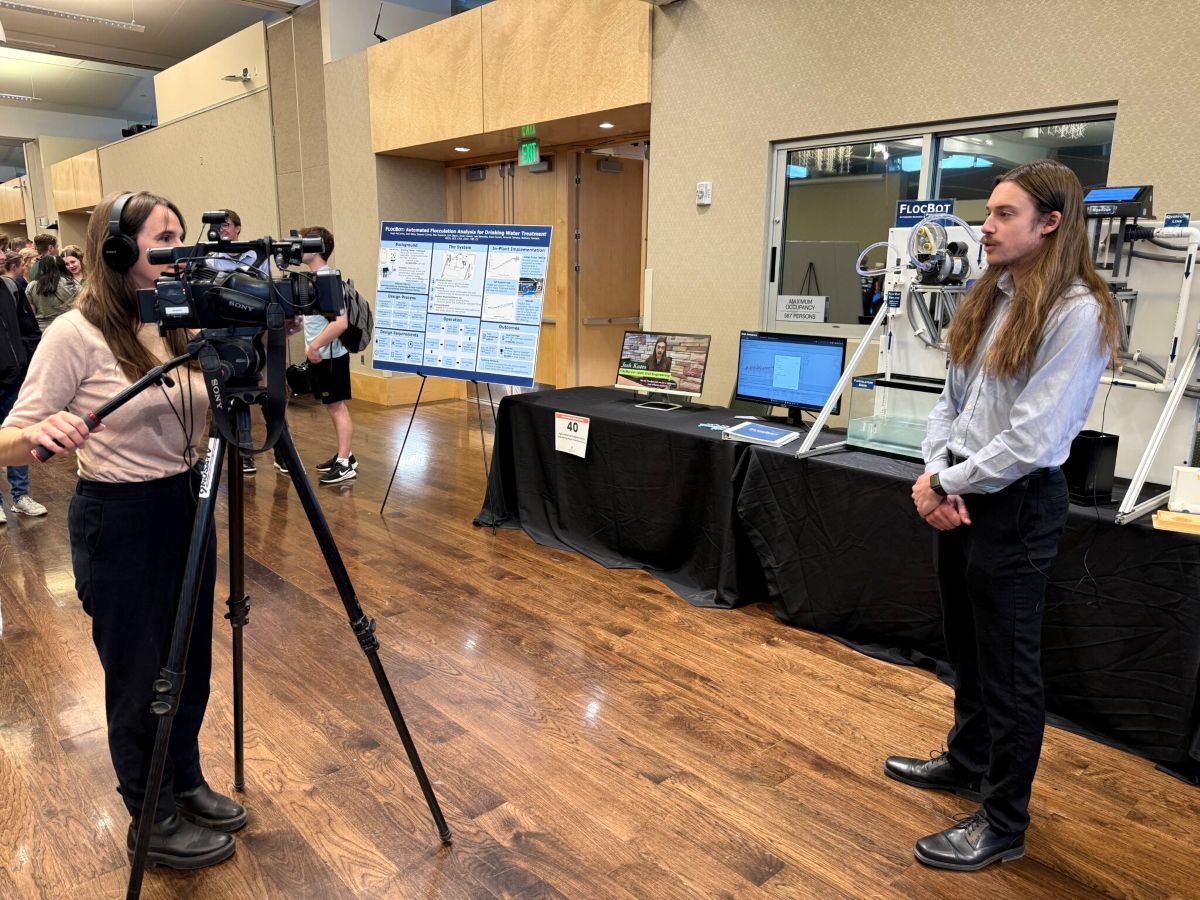
CSU civil engineering graduate Joshua Kates earned the prestigious Mentored Research and Artistry Distinction (MRAD) upon graduation this spring. This honor recognizes his exceptional
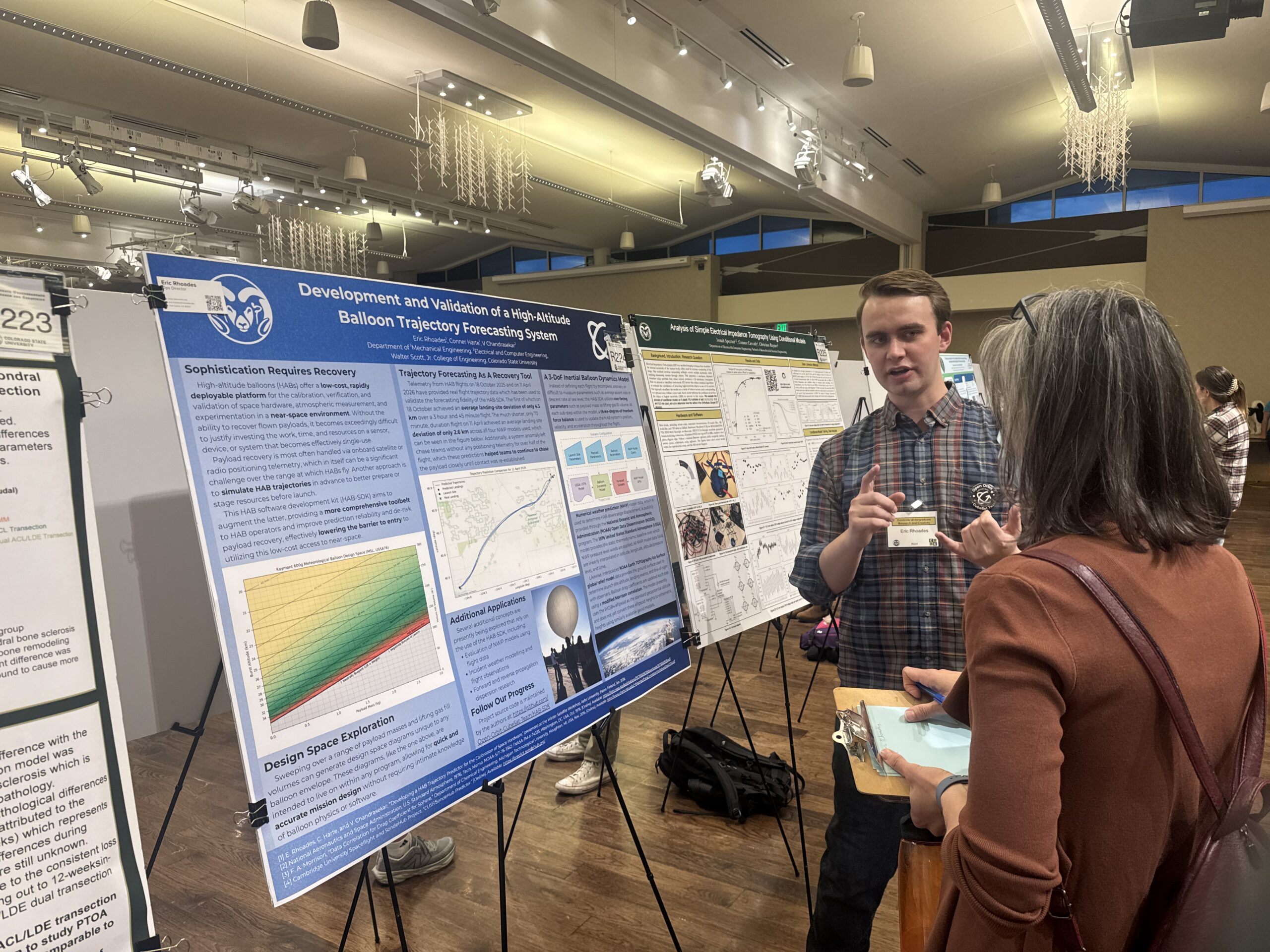
Colorado State University undergraduates once again demonstrated an exceptional range of scholarly and creative work at the 2026 Celebrate Undergraduate Research and Creativity showcase,

The 2026 TILT Summer Teaching Conference schedule is live and registration is open. Join TILT May 20-21 at the Lory Student Center for two
Teaching Effectiveness Framework
Best Practices in Teaching Courses
Teaching Effectiveness Initiative
Student Testing and Virtual Proctoring
Best Practices for Promoting Academic Integrity in Online Courses
Recommended Process for Annual Review of Teaching
The Boyer 2030 Commission Report: The Equity-Excellence Imperative
AI can produce a convincing lesson or problem set in minutes. Whether it can help you build a whole course you would stand behind is a different question. This three-session...(Go to event for more details.)
Cambrian Creations! Teaching Evolutionary Biology with Art-Making, Juggling, and Balloon Animals. Explore how storytelling, art-making, and creative demonstrations can bring complex scientific concepts to life. TEF Alignment: Instructional Strategies
The Critical Language Scholarship funds a summer abroad experience for undergraduates and graduates to study languages deemed “critical” by the US government (such as Japanese, Russian, Arabic, Korean, and Chinese).